Removable Drum Head Procedures

Removable Drum Head Procedures

How to Replace and Prepare a New Resin Drum (Step-by-Step Guide)


Swapping out a resin drum sounds straightforward — but skip a step, and you risk poor mixing, pump issues, or inconsistent output. This guide walks you through exactly how to replace a resin drum on your machine, from positioning the new drum to getting your pump back up and running.

Follow these three steps and you’ll have your new drum properly seated, mixed, and ready to go. You’ll also find the tools you need listed at the end, along with a time-saving tip about the removable drum lid setup.


What You’ll Need Before You Start


Gather these tools before getting started so you’re not hunting for anything mid-process:

  • ½” electric chucked power drill
  • 50-gallon Jiffy Mixer (PS-2 model)
  • 13mm socket and impact gun
  • 5-gallon bucket


Step 1: Position the New Resin Drum


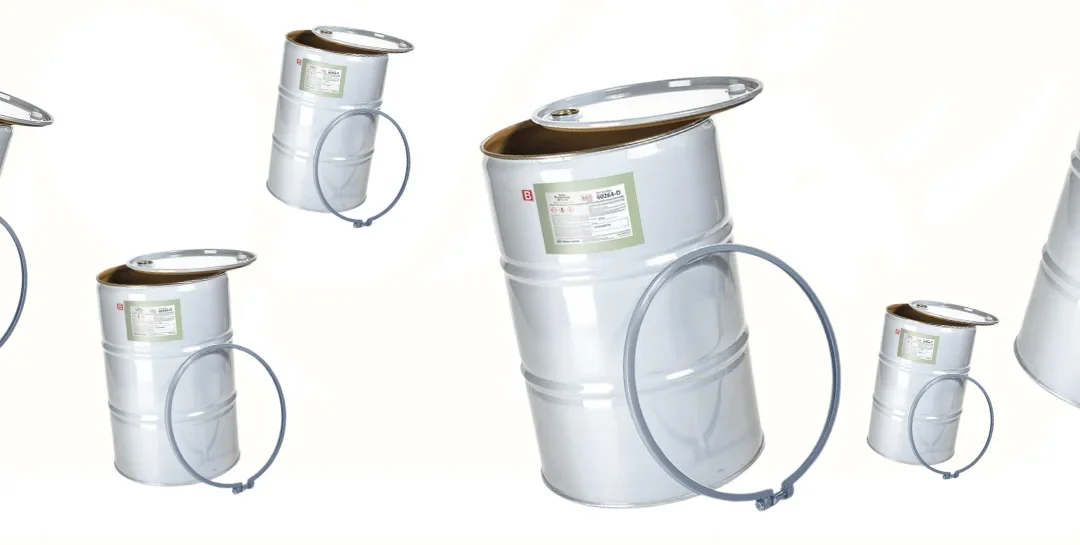
Place the new resin drum on the B-side of the machine — that’s the blue label side. Once it’s in position:

  1. Use your 13mm socket and impact gun to remove the bolt.
  2. Slide the collar down the drum.
  3. Remove the lid.

With the lid off, you’re ready to move on to mixing.


Step 2: Hand Mix the Resin Thoroughly


This step is critical. Resin settles during storage, so the solids sink to the bottom of the drum. Before the drum goes into regular use, you need to bring all of that settled material back into suspension.

Using your ½” drill with the Jiffy Mixer attached, mix from the bottom of the drum upward. Work thoroughly for 5 to 10 minutes — don’t rush this part.

Once you’re done mixing:

  1. Unplug the drill.
  2. Wipe the excess resin off the Jiffy Mixer.
  3. Place the Jiffy Mixer in the 5-gallon bucket and set it aside.

Important: Hand mix every new resin drum before its first use. After that first use, daily agitation is all you need — no more hand mixing required.


Step 3: Reinstall the Drum Pump and Recirculation Lines


Now that the resin is properly mixed, it’s time to get the drum connected and ready for operation.

  1. Reinstall your drum pump and recirculation lines into the new drum.
  2. Bring the collar back up and tighten the bolt using the same 13mm socket and impact gun.
  3. Run the agitator for 30 to 45 minutes to complete the mixing process.

At this point, your drum is fully set up and ready to run.


The Removable Drum Lid: A Time-Saving Feature Worth Knowing

One of the standout benefits of this setup is the removable drum lid system. Because the drum pump and recirculation kit stay permanently attached to the lid, you never have to disconnect and reconnect everything when switching drums.

Instead, you simply swap the entire lid from one drum to the next. It’s a small design detail that saves real time during drum changes and reduces the risk of connection errors.


Quick Recap

Here’s the process at a glance:

  • Step 1: Position the drum on the B-side, remove the bolt, collar, and lid.
  • Step 2: Hand mix for 5–10 minutes, then clean and store the Jiffy Mixer.
  • Step 3: Reinstall the pump and lines, tighten the collar, then agitate for 30–45 minutes.

Hand mixing is only required for new drums before first use. After that, daily agitation keeps the resin in suspension. Stick to this process and your equipment will run cleanly and consistently every time.


Cold Storage of Closed Cell and Open Cell Foam

Cold Storage of Closed Cell and Open Cell Foam

Cold Storage of Closed Cell and Open Cell Foam: How to Protect Your Materials This Winter 


Cold weather doesn’t just make jobsites uncomfortable — it can quietly ruin your spray foam materials before you ever pull the trigger. Proper cold storage of closed cell foam and cold storage of open cell foam in barrels is one of the most overlooked factors in consistent, high-quality applications. Get it wrong and you’re dealing with off-ratio sprays, poor adhesion, and wasted product. 

The right storage temperatures for each foam type, how to prep your equipment, and the most common cold-weather mistakes that cost contractors time and money are discussed below. 


Why Cold Storage Conditions Matter for Spray Foam 


Spray foam chemistry is temperature sensitive. When material gets too cold, viscosity changes — meaning the resin and isocyanate don’t flow, mix, or react the way they should. The result? Poor cell structure, weak yields, and off-spec foam that fails in the field. 

Getting your storage conditions right before you ever load the gun is the first line of defense. 


Cold Storage of Open Cell Foam in Barrels 


Ideal Storage Temperature 


Open cell foam stores best between 60–90°F. This is a higher range than most people expect, and it’s worth paying close attention to — especially when barrels sit in an unheated trailer overnight. 

When material drops below this range, it becomes harder to process and harder to heat evenly at the machine. 


Spray Temperature Targets 


  • Target spray temps of 115–150°F, adjusting based on ambient temperature and how the foam is performing on the substrate 
  • Possibly use a smaller mix chamber to keep material in the heater longer, giving it more time to reach the right temperature 
  • Monitor how the foam looks as it hits the surface — visual cues tell you a lot about whether your temps are dialed in 


Practical Tips for Cold-Weather Open Cell Jobs 


  • Use barrel blankets to maintain drum temps in cold trailers or job sites 
  • Use space heaters to warm both the substrate and the rig area before spraying 
  • Check substrate temps with an infrared thermometer before starting — cold substrates pull heat out of the foam immediately 
  • Never use open flames in the spray area 


Cold Storage of Closed Cell Foam 


Ideal Storage Temperature 


Closed cell foam stores best between 50-90°F. Closed cell material is more sensitive to temperature swings in a different way — getting too cold thickens the resin side significantly and throws off your mix ratio if you don’t compensate. 


Spray Temperature Targets 


  • Target around 120-130°F as your baseline spray temperature 
  • For colder days or cold drums, increase the resin side primary heater by 3°F to offset the viscosity change — do not adjust both sides equally 
  • Add a few degrees incrementally as needed; small changes make a big difference with closed cell 
  •  

Practical Tips for Cold-Weather Closed Cell Jobs 


  • Use self-adhesive LCD thermometers directly on the drums for a quick visual read before every job 
  • Keep a quality infrared thermometer and moisture meter on hand to check both drum and substrate temps 
  • Consider applying a closed cell layer to the underside of your rig — this protects equipment and gives you a consistent test surface 


Equipment Precautions That Apply to Both Foam Types 


Cold storage conditions don’t end with the drums. Your hose is the next critical point of failure. 


Hose Care in Cold Weather 


  • Keep hose off snow, ice, and concrete — all three draw heat out faster than your machine can replace it 
  • If your hose is more than two years old, inspect the insulation carefully for cracks or breaks 
  • Address any insulation damage before the season gets cold — mid-job failures are expensive 


Temperature Monitoring Tools You Should Have 

Tool  Use 
Infrared thermometer  Check drum and substrate temps 
Moisture meter  Confirm substrate is dry before spraying 
LCD thermometers (self-adhesive)  Quick-reference drum temp at a glance 
Barrel blankets  Maintain drum warmth in cold environments 
Space heaters  Pre-warm rigs and work areas 


Common Cold-Weather Mistakes (and How to Avoid Them) 


Mistake #1: Storing drums in an unheated trailer overnight
Cold nights can drop drum temps well below your target range. Always check temps before the first spray of the day. 


Mistake #2: Adjusting both heater sides when compensating for cold
For closed cell, only raise the resin side primary heater. Adjusting both sides throws off your ratio. 


Mistake #3: Laying hose on frozen ground Even short contact with ice or concrete pulls heat from the hose quickly. Get it off the ground and keep it elevated or coiled. 


Mistake #4: Skipping the visual check
Your foam will tell you when temps are off. Stringy, inconsistent, or poorly rising foam means something needs to be adjusted before you cover that substrate. 


Mistake #5: Using open flames to warm the area
Space heaters only. Open flames near spray foam materials are a serious safety hazard. 


Quick Reference: Storage and Spray Temperatures 


Foam Type  Storage Temp  Spray Temp (Baseline)  Cold-Day Adjustment 
Open Cell  60–90°F  115–150°F  Increase spray temp; use smaller mix chamber 
Closed Cell  50–90°F  ~120-130°F  +3°F on resin side primary heater only 


Conclusion 


Dialing in your cold storage conditions is one of the simplest ways to protect foam quality and avoid wasted material this winter. Whether you’re managing cold storage of closed cell foam or cold storage of open cell foam in barrels, the fundamentals are the same: know your target temperatures, monitor your drums and substrates consistently, and adjust your machine settings deliberately. 

Start each cold-weather job by checking drum temps before you do anything else. Keep your hose off frozen surfaces. And if the foam doesn’t look right — stop and troubleshoot before covering the substrate. 

Small habits make a big difference when temperatures drop. 

Are You Ready for Winter’s Impact on Your Operations?

Are You Ready for Winter’s Impact on Your Operations?

Last year’s extreme winter conditions caused significant disruptions for many businesses. Due to extremely cold temperatures and poor road conditions or closures, many of you experienced delivery delays and received isocyanate that was cloudy or frozen. Avoid the winter blues! Order your chemicals on Mondays or Tuesdays so that your shipment does not sit in a cold freight terminal over the weekend. If you don’t have a drum band heater already, now may be a good time to buy one in case you need to heat your material before use (please see heating procedure below).

The Process

  1. Inspect drum to ensure that there is no physical damage.
  2. Wear proper eye protection, nitrile gloves and chemical suit when working with isocyanates.
  3. Remove the ¾ inch bung and attach a desiccant dryer cartridge to help relieve any possible pressure created during heating.
  4. Attach a drum band heater to the lower third of the drum.
  5. Set the drum band heater to 8 to 10 on the dial indicator. The band heater needs to be able to heat to 150°F.
  6. It will take from 8 to 10 hours to thaw a fully frozen drum. Partially frozen drums will not require as long.
  7. Allow the reheated material to come back to 80°F before using otherwise the gelling reaction of your product will be very fast and may cause problems if spraying with low pressure equipment and a static mixer.

Stay Safe

Remember your training and always follow correct procedures on the job. If you aren’t 100% sure about how to do something safely, our experienced technical service representatives are here to assist. Feel free to contact the tech team whenever you need our help.

Monitoring Desiccant Beads and Cartridges

Monitoring Desiccant Beads and Cartridges

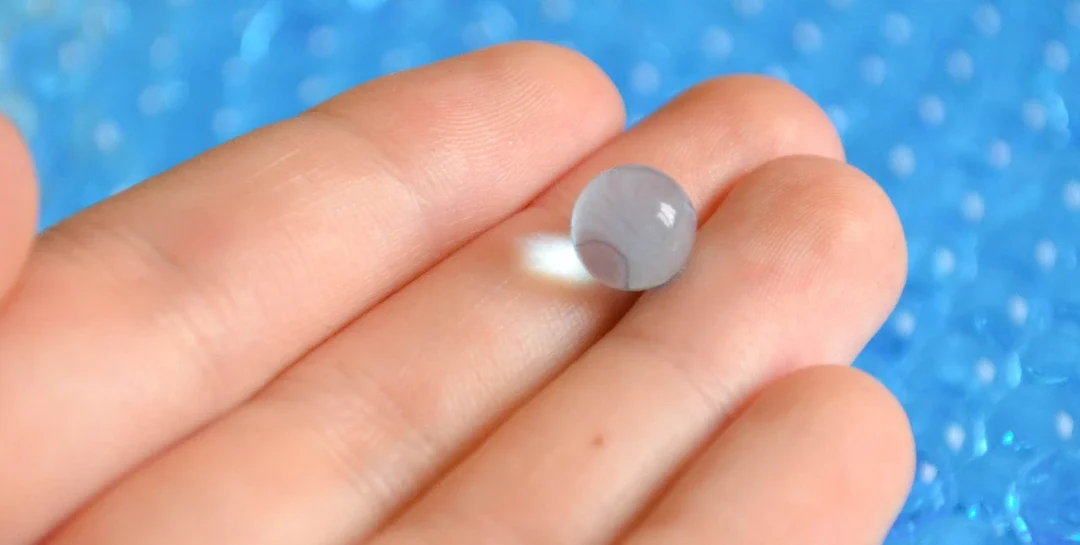
Desiccant beads are essential to the absorption of water vapor in your air system. They help prevent contaminants from entering your airline and polluting output.  It is important to monitor desiccant beads often. A good way to determine when replacement is necessary is by its physical discoloration.  This change in pigment can indicate that they have been contaminated by moisture, or possibly by the chemicals themselves.

Checking for contamination can be done by examining the entire (or partial) cartridge containing the beads. If you notice fading and/or a brownish tint to the beads, this is an indication they need to be replaced.  Typical reasons for pollution in the cartridge include: humidity in the equipment room, or Resin and/or ISO chemical splash. Splashing normally occurs while moving the drums to a new or different location resulting in chemicals getting into the small bung hole. When this occurs, the filter located on the bottom of the cartridge assembly will become plugged and will not allow the drum to breath properly or at all. This can cause off ratio issues with low pressure machines and error codes with high pressure units.

For optimal function of machines and equipment be sure to check your cartridges regularly. For technical questions please contact TechnicalGroup_dg@rhinolinings.com. To order new parts visit eorder.rhinolinings.com.