Are You Ready for Winter’s Impact on Your Operations?
Prepare for Winter: Protect Your Chemicals and Avoid Delivery Delays
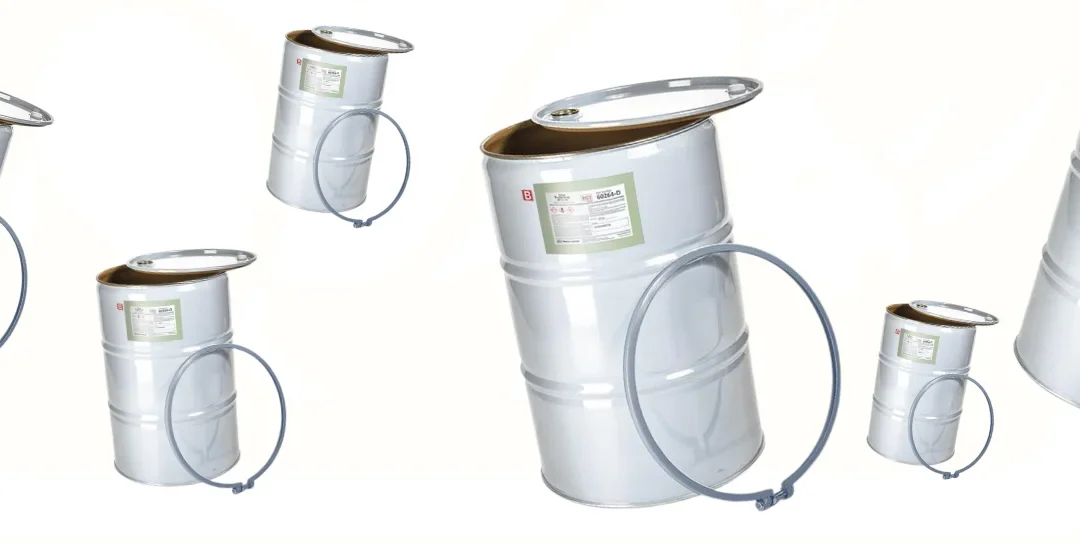
Extreme winter conditions can create challenges for businesses, from shipping delays and road closures to materials arriving at temperatures that may affect their condition. When exposed to prolonged cold, isocyanate can become cloudy or even freeze, potentially impacting material quality and performance.
Planning ahead can help minimize winter-related disruptions. Place orders before the weekend when possible, keep the appropriate heating equipment on hand to help safely warm cold or frozen materials when needed and allow adequate time to bring materials to the proper temperature before use.
Always follow the recommended heating procedures before attempting to warm cold or frozen material. Review the guide below for important tips on handling and preparing materials during cold weather.
Ordering and shipping
Order early in the week (Monday or Tuesday). This keeps drums from sitting on a cold freight dock over the weekend, where they can get very cold or freeze. Plan ahead. Holiday shutdowns and carrier delays can affect delivery schedules. Consider Freeze Protection on shipments. You may still need to warm material before use.
Storage
Keep drums off the floor, on pallets or ½” (or thicker) plywood. Keep your shop at 70°F or above, including weekends. Use drum band heaters or electric blankets (blankets available at Rhino Linings) to assist in bringing material to proper spraying temperature.
Before you spray
Make sure material is completely thawed and brought to required temperature before using equipment. Use your recirculating system to warm material before spraying.
If a drum freezes
Thawing a drum via ambient room temperature can take longer than three days. Use band heaters or blankets to assist in bringing material to required spraying temperature in less time, making sure to vent the drum through the small bung hole to relieve pressure as it heats.
Venting a drum
Install the desiccant dryer canister on the drum before venting the ISO drum. Once opened, the nitrogen blanket will dissipate, allowing moisture to enter the drum if the desiccant dryer is not installed. This can lead to moisture condensation inside the drum, potentially damaging the isocyanate if it is exposed to moisture. For step-by-step instructions, contact Rhino Linings Technical Support.
Stay Safe. Follow Proper Procedures. Get Support When You Need It.
Always follow your training and proper application procedures on the job. If you’re ever unsure about the right process or how to complete a job safely, our experienced Technical Service team is here to help.
Questions? Call Technical Support at 800.747.6966